







معهد أبحاث علمية كبير
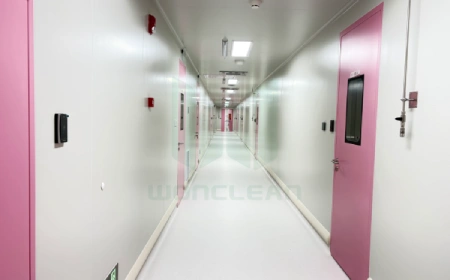
هندسة معدات الغرف النظيفة لبيئات البحث متعددة المستخدمين متعددة التخصصات
1. نظرة عامة على المشروع
A large scientific research institute—comprising multiple departments such as molecular biology, nanotechnology, advanced materials, and pharmaceutical sciences—initiated a major infrastructure upgrade to centralize its high‑containment and high‑sensitivity research capabilities. The institute required a flexible, scalable cleanroom facility capable of supporting diverse research activities ranging from cell culture and viral vector production إلى التصنيع النانوي والكيمياء التحليلية.
على عكس شركة صيدلانية ذات مالك واحد، يستضيف المعهد عشرات مجموعات البحوث المستقلة، كل منها متطلبات مختلفة للنظافة والسلامة والمعدات. وكان التحدي الرئيسي هو تصميم نظام بيئي لمعدات الغرف النظيفة المشتركة that could serve multiple users without cross‑interference, while maintaining compliance with institutional biosafety levels (BSL‑2 and BSL‑3) and ISO 14644 standards.
2. Client Requirements
-
Multi‑User Flexibility: Cleanroom zones that can be reconfigured for different research protocols (e.g., sterile cell work one week, nanoparticle synthesis the next).
-
Segregated Containment: Isolated modules for BSL‑2, BSL‑3, and low‑humidity nanofabrication processes, each with dedicated HVAC and airlock systems.
-
موثوقية عالية & وقت التشغيل: تشغيل 24/7/365 مع معدات الغرف النظيفة الزائدة لتجنب توقف البحث.
-
Energy Efficiency: Given the large footprint (3,500 m²), the institute demanded low‑energy cleanroom HVAC and filtration solutions.
-
Training & Accessibility: Equipment interfaces designed for easy operation by rotating students, postdocs, and visiting scientists.
3. Cleanroom Equipment Engineering Solution
فريق الهندسة لدينا سلم حزمة معدات الغرف النظيفة المركزية مصممة خصيصا لبيئة بحثية متعددة المستأجرين:
A. Zoned HVAC and Filtration
-
Dedicated AHU per cleanroom class: وحدات منفصلة لمعالجة الهواء لـ ISO Class 5, الدرجة 6, و الطبقة 7 المناطق.
-
HEPA/ULPA filter banks: Ceiling‑mounted filter modules with adjustable airflow for research‑grade unidirectional or non‑unidirectional patterns.
-
Low‑velocity displacement ventilation in low‑turbulence zones (e.g., for electron microscopy prep).
B. Modular Cleanroom Architecture
-
لوحات جدار صلب قابلة للتفكيك: Allow reconfiguration of lab layouts without structural modifications.
-
Color‑coded modular walls: Visual differentiation of cleanliness levels (e.g., white = ISO 7, blue = ISO 6, yellow = BSL‑3).
-
Interlocked pass‑through autoclaves and chemical dunk tanks: For safe material transfer between containment levels.
C. Shared Containment and Process Equipment
-
فئة متعددة النوع الثاني خزانات السلامة الحيوية A2 (BSCs): كل واحد مجهز بمراقبة فردية ولكن متصل بمجلس عام مشترك للعادم.
-
Portable glovebox isolators: For oxygen/moisture‑sensitive materials research.
-
أنظمة الفراغ والغاز المركزية: النيتروجين عالي النقاء، والأرجون، والهواء الجاف النظيف الموزع عن طريق مجموعات الفولاذ المقاوم للصدأ.
D. Central Monitoring & Access Control
-
Room‑by‑room EMS/BMS: Real‑time pressure, particle count, temp, RH, and door interlock status.
-
RFID‑based access system: Restricts users to authorized cleanroom classes and records usage for billing/accountability.
-
Visual alarm beacons at each entry for rapid pressure‑cascade failure notification.
4. Key Engineering Challenges & Solutions
| Challenge | Solution |
|---|---|
| Preventing cross‑contamination between BSL‑2 and BSL‑3 zones | Physical separation + cascading negative pressure (−25 Pa to −50 Pa) + dedicated BIBO filter housings |
| Supporting high‑heat equipment (furnaces, reactors) inside cleanrooms | وصلات العادم المحلية + غلافات المعدات المبردة بالماء + حزم تبريد إضافي |
| التلوث الناجم عن المستخدم (عدة باحثين يومياً) | Mandatory gowning rooms with air showers + sticky mats at each entrance + routine ATP surface testing |
| الاهتزاز من حركة القدم القريبة يؤثر على الأدوات الحساسة | كتل القصور الخرسانية المعزولة لـ AFM و TEM و Microbalances |
5. Validation & Compliance
جميع معدات الغرف النظيفة مؤهلة ISO 14644‑1:2015 and institutional biosafety requirements:
-
DQ: Simulated multi‑user scenarios (e.g., simultaneous cell culture and nanoparticle synthesis).
-
IQ: Verified utility connections, filter certifications, and equipment mounting.
-
OQ: اختبار معدلات تغيير الهواء (20 & ndash; 60 ACH حسب الفئة)، سلسلات الضغط، ووقت الاسترداد ( < 15) Min إلى ISO Class 5).
-
PQ: ثلاثة أشهر من المراقبة الديناميكية مع بروتوكولات البحث الفعلية، بما في ذلك أخذ عينات الهواء الميكروبي.
Outcome: The institute achieved full operational certification with صفر حوادث التلوث المتقاطع خلال فترة التحقق من الصحة.
6 - نتائج المشروع
-
منطقة غرفة نظيفة: 3,500 m² ؛ (ISO 5: 400 m² ؛ , ISO 6: 1,200 m² ؛ , ISO 7: 1,900 m²)
-
قدرة المستخدم: ما يصل إلى 150 باحث يوميا عبر 28 وحدة مختبر مستقلة
-
توفير الطاقة: تخفيض بنسبة 32٪ في طاقة تكييف الهواء والتبريد عن طريق المروحة ذات السرعة المتغيرة والتهوية التي يتحكم فيها الطلب
-
معدل الاستخدام: > 85% في غضون ستة أشهر من افتتاحها، استيعاب 12 مجموعة بحثية من 4 كليات
يعمل معهد البحوث الآن منشأة أساسية للغرف النظيفة عالية الأداء ومشاركة حقاًتمكين المشاريع متعددة التخصصات التي كانت مستحيلة في السابق بسبب التلوث أو نزاعات الاحتواء.
7- الاستنتاج
بالنسبة لمعاهد البحوث العلمية الكبيرة ، يجب أن تعطي هندسة معدات الغرف النظيفة الأولوية.المرونة والفصل والتصميم المركزي على المستخدم أكثر بكثير من منشأة صيدلانية مخصصة. يظهر هذا المشروع أنه مع تكييف الهواء والتبريد في مناطق ، وبنية الجدران الصلبة الموحدة ، والمراقبة المركزية ، يمكن لمجمع غرفة نظيفة واحدة أن تخدم بأمان مئات الباحثين عبر BSL-2 ، BSL-3 ، وتخصصات التصنيع النانوي. مع الحفاظ على ISO Class 5 النزاهة وكفاءة الطاقة.