







اتجاهات تصميم الغرف النظيفة المستدامة تقلل من استهلاك الطاقة بنسبة 40٪
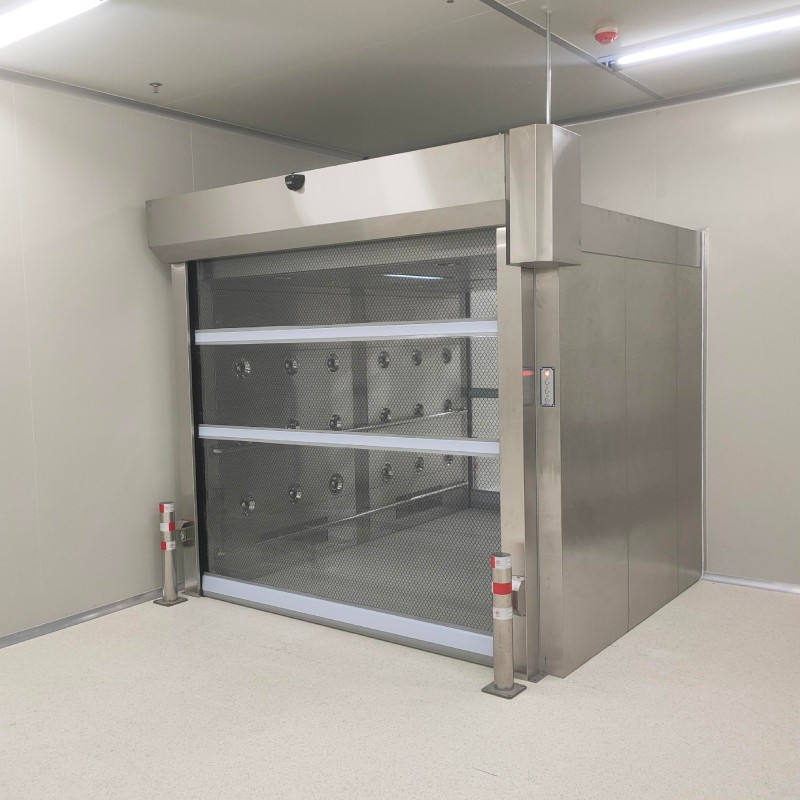
استكشف أحدث اتجاهات التصميم المستدام في بناء الغرف النظيفة. تساعد التكييف والمواد الفعالة في استخدام الطاقة على تقليل بصمة الكربون مع الحفاظ على المعايير.
Sustainable Cleanroom Design Trends Reduce Energy Consumption by 40%
Sustainability has become a core priority in cleanroom design as of 2026. Historically, cleanrooms were known for excessive energy consumption due to high air change rates and stringent climate control. However, new design methodologies and technologies are reversing this trend. Recent case studies show that modern sustainable cleanrooms can reduce energy consumption by up to 40% without compromising ISO classification or product safety.
Optimized HVAC Systems
تشكل أنظمة التدفئة والتهوية وتكييف الهواء (HVAC) معظم استخدام الطاقة في الغرف النظيفة. أصبحت أنظمة حجم الهواء المتغير (VAV) الآن قياسية، وتعدل تدفق الهواء بناءً على الإشغال في الوقت الحقيقي وحالة الإنتاج. عندما تكون الغرفة غير مشغولة، يمكن تخفيض معدلات تغيير الهواء بأمان إلى مستويات الاستعداد. بالإضافة إلى ذلك، تلتقط عجلات استرداد الطاقة الحرارة من هواء العادم إلى الهواء النقي الوارد، مما يقلل بشكل كبير من أحمال التدفئة والتبريد.
مواد الترشيح المتقدمة
New filter media developed in 2025 offer lower resistance while maintaining high efficiency. By reducing the pressure drop across filters, fans require less energy to move air. Nanofiber filters are gaining popularity for their ability to capture ultrafine particles with minimal airflow resistance. This innovation directly translates to lower electricity bills and a reduced carbon footprint for the facility.
Modular Cleanroom Construction
Modular cleanroom designs allow for scalable and flexible spaces. Unlike traditional stick-built cleanrooms, modular systems can be reconfigured or expanded with less waste. Materials used in modular walls and ceilings are often recyclable. This approach aligns with circular economy principles, reducing the environmental impact of construction and decommissioning phases.
Lighting and Equipment Efficiency
LED lighting with smart controls is now mandatory in green cleanroom certifications. Sensors dim lights when natural light is sufficient or when areas are unused. Furthermore, process equipment is being designed with energy efficiency in mind. Manufacturers are requesting low-heat output machinery to reduce the cooling burden on the HVAC system. This holistic approach considers all energy sources within the facility.
Regulatory and Certification Drivers
يتم طلب شهادات LEED و ISO 14001 بشكل متزايد من قبل العملاء في سلسلة التوريد. وتتعرض شركات الأدوية على وجه الخصوص لضغوط لتحقيق أهداف الانبعاثات في نطاق 3. لم يعد بناء غرفة نظيفة مستدامة مجرد إجراء لتوفير التكاليف بل متطلبات تجارية استراتيجية. كما تقدم الحكومات في أوروبا وأمريكا الشمالية حوافز ضريبية للمرافق التي تظهر تخفيضات كبيرة في الطاقة.
مستقبل الغرف النظيفة الخضراء
Looking ahead, the integration of renewable energy sources such as solar panels on cleanroom roofs is becoming more common. Microgrids allow facilities to operate independently during power outages while using clean energy. As technology advances, the gap between high-performance manufacturing and environmental stewardship continues to close, defining the standard for industrial construction in the late 2020s.