







حلول احتواء متقدمة لغرف نظيفة للأدوية الحيوية هذا العام
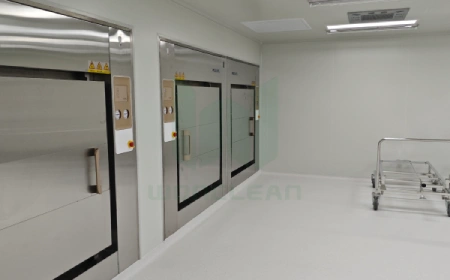
استكشاف تقنيات الاحتواء المتطورة التي تضمن الامتثال للمعايير الجيدة في الغرف النظيفة للأدوية الحيوية. ركز على العزلات، RABS، وأنظمة الاستخدام الواحد للسلامة.
Advanced Containment Solutions for Biopharma Cleanrooms This Year
In the rapidly evolving landscape of biopharmaceutical manufacturing, containment technology has become the cornerstone of sterile production. As we navigate through 2026, the demand for potent compounds and personalized medicines requires robust barrier systems that protect both the product and the operator. This article explores the latest advancements in isolator technology and Restricted Access Barrier Systems (RABS) that are setting new benchmarks for Good Manufacturing Practice (GMP) compliance.
The Rise of Closed Processing
Open aseptic processing is increasingly being replaced by closed systems. Isolators provide a fully enclosed environment where materials are transferred via rapid transfer ports (RTPs). This eliminates human intervention as the primary source of contamination. In 2026, newer isolator models feature enhanced glove integrity testing systems that operate automatically during production cycles, ensuring continuous compliance without stopping the line.
Regulatory bodies like the FDA and EMA have reinforced guidelines favoring closed processing. The Annex 1 revision continues to drive this trend, emphasizing that human intervention should be minimized wherever possible. Facilities adopting isolator technology report significantly lower contamination rates and fewer media fill failures compared to traditional cleanroom setups.
Single-Use Systems Integration
Single-use technologies are now seamlessly integrated into containment solutions. Disposable bioreactors and mixing bags reduce cleaning validation requirements and cross-contamination risks. When combined with isolators, single-use systems offer unparalleled flexibility for multi-product facilities. This is particularly beneficial for contract manufacturing organizations (CMOs) that handle diverse client portfolios.
- Automated decontamination cycles reduce turnaround time by 40%.
- Single-use assemblies eliminate cleaning validation costs.
- Enhanced operator safety when handling potent compounds.
الروبوتات والأتمتة
الأتمتة تعيد تشكيل الغرف النظيفة للأدوية الحيوية. تقوم الذراعين الروبوتية داخل العزلات الآن بمهام مثل ملء القارورة وإغلاقها وتغطيتها. تم تصميم هذه الروبوتات للعمل ضمن تصنيفات صارمة للغرف النظيفة دون توليد جسيمات مفرطة. تضمن دقة الروبوتات حجم ملء ثابت وتقلل من النفايات. علاوة على ذلك، تسمح الأتمتة بتشغيل 24/7، مما يزيد من فعالية المعدات العامة (OEE).
Compliance and Validation
Validation remains a critical hurdle. New containment systems require comprehensive qualification protocols including Installation Qualification (IQ), Operational Qualification (OQ), and Performance Qualification (PQ). In 2026, digital validation tools are streamlining this process. Electronic batch records and automated reporting reduce the administrative burden on quality assurance teams. However, rigorous testing of glove ports and airflow patterns remains mandatory to ensure barrier integrity.
Conclusion
The adoption of advanced containment solutions is no longer optional for leading biopharma companies. It is a strategic necessity to ensure product safety and regulatory compliance. As technology continues to advance, we expect to see even more integrated systems that combine containment, automation, and data analytics. Investing in these technologies today prepares facilities for the stringent requirements of tomorrow's healthcare market.