







تصميم غرف نظيفة مستدامة يقلل من بصمة الكربون بشكل كبير
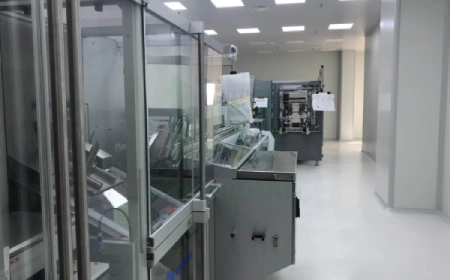
كيفية تحقيق تصاميم الغرف النظيفة الحديثة شهادة LEED مع الحفاظ على مراقبة التلوث الصارمة. رؤى حول استعادة الطاقة والمواد الصديقة للبيئة.
Sustainable Cleanroom Design Reduces Carbon Footprint Significantly
أصبحت الاستدامة محور تركيز رئيسي في بناء وتشغيل الغرف النظيفة اعتبارا من عام 2026. تاريخيا، كانت الغرف النظيفة معروفة باستهلاك الطاقة المفرط بسبب معدلات تغيير الهواء العالية وتشغيل تكييف الهواء والتبريد المستمر. ومع ذلك، تثبت فلسفات التصميم الجديدة أن المسؤولية البيئية ومكافحة التلوث يمكن أن تتعايش. تدرس هذه المقالة كيف تقلل مبادرات الغرف النظيفة الخضراء من بصمة الكربون دون المساس بالمعايير التنظيمية.
أنظمة التكييف والهواء الفعالة في استخدام الطاقة
Heating, Ventilation, and Air Conditioning (HVAC) systems account for the majority of a cleanroom's energy usage. Modern designs utilize variable air volume (VAV) controls that adjust airflow based on real-time occupancy and particle counts. During non-production hours, air change rates are safely reduced, leading to substantial energy savings. Additionally, high-efficiency particulate air (HEPA) filters with lower pressure drops are being installed to reduce fan power consumption.
Energy recovery systems are also gaining traction. Heat wheels and run-around coils capture thermal energy from exhaust air and use it to precondition incoming fresh air. This reduces the load on heating and cooling coils. In temperate climates, these systems can reduce HVAC energy consumption by up to 50%. Such innovations are critical for facilities aiming to achieve net-zero carbon status.
شهادة LEED للغرف النظيفة
Leadership in Energy and Environmental Design (LEED) certification is increasingly sought after for cleanroom projects. Achieving LEED status requires careful selection of materials, optimization of water usage, and implementation of renewable energy sources. Solar panels installed on cleanroom rooftops can offset a significant portion of energy demand. Furthermore, using locally sourced construction materials reduces transportation emissions.
- VAV systems reduce energy usage during idle periods.
- LED lighting with motion sensors cuts electricity costs.
- Recyclable construction materials minimize waste.
Eco-Friendly Materials and Finishes
The materials used in cleanroom construction are also evolving. Wall panels and flooring made from recycled content are now available without sacrificing cleanability or durability. Low-volatile organic compound (VOC) paints and adhesives improve indoor air quality and reduce environmental impact. These materials contribute to a healthier workspace for employees and align with corporate sustainability goals.
Water Conservation Strategies
Water usage in cleanrooms, particularly for humidification and process cooling, is being optimized. Closed-loop cooling systems minimize water waste. Rainwater harvesting systems are being integrated into facility designs to supply non-process water needs. These strategies are essential in regions facing water scarcity. Efficient water management is now a key metric in cleanroom performance evaluations.
Future Trends
وبالنظر إلى المستقبل، فإن مفهوم "غرفة نظيفة المعيشة" يظهر. وسوف تولد هذه المرافق طاقتها الخاصة ومعالجة نفاياتها الخاصة. ستستخدم أنظمة إدارة المباني المتقدمة التعلم الآلي لتحسين استخدام الطاقة باستمرار. ومع تزايد الضغوط التنظيمية والمسؤولية الاجتماعية للشركات تصبح ذات أهمية قصوى، سينتقل تصميم الغرف النظيفة المستدامة من تفضيل متخصص إلى معيار صناعي. لن تقتصر المنظمات التي تعطي الأولوية للاستدامة على خفض التكاليف فحسب ، بل ستعزز أيضًا سمعة العلامة التجارية الخاصة بها في سوق واعية.