






اتصل بنا
وحدة فلتر المروحة (FFU)
نظرة عامة:
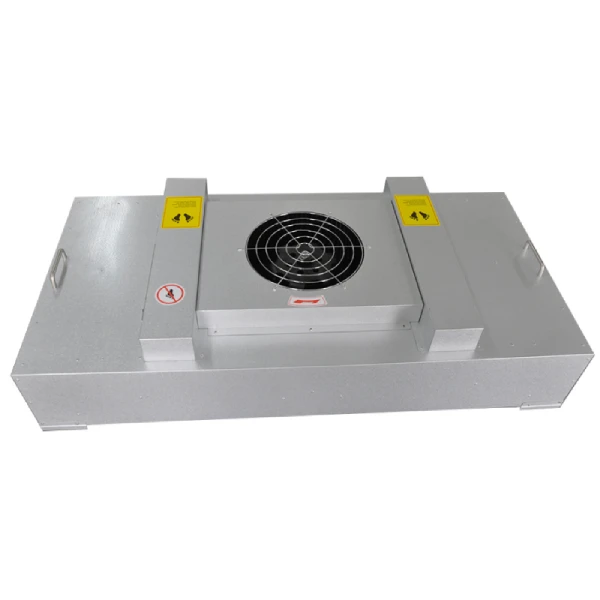
تجمع وحدة فلتر المروحة بين مروحة وفلتر HEPA لتقديم هواء سقف نظيف للتحكم في الجسيمات القابلة للتوسع في الغرف النظيفة للأدوية والإلكترونيات.
العلامات الساخنة:
التفاصيل:
1. نظرة عامة على المنتج
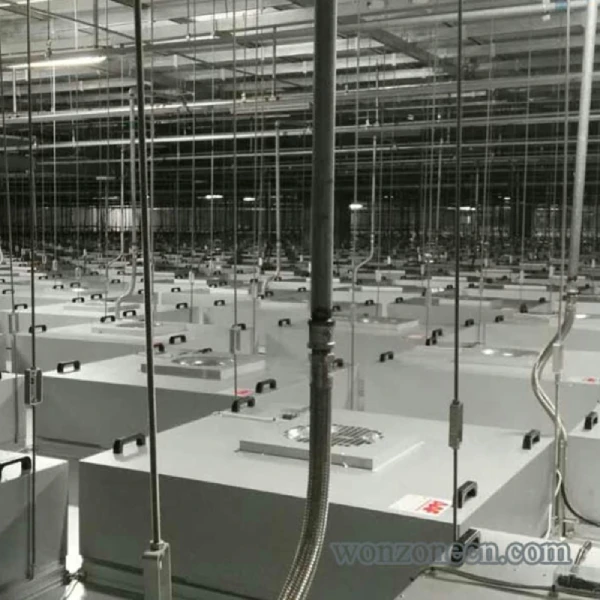
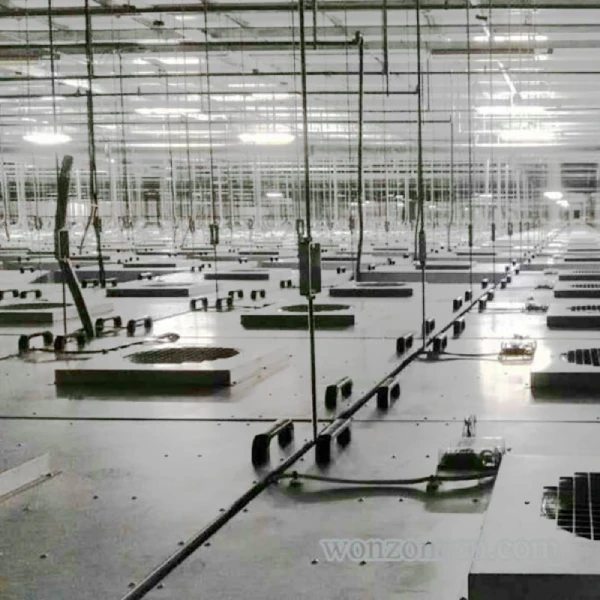
FFU ، اختصار لوحدة فلتر المروحة ، هو جهاز تنقية الهواء الذي يدمج مروحة وفلتر عالي الكفاءة في وحدة واحدة. عادة ما يتم تثبيت وحدات الهواء النقي في شبكة السقف في الغرف النظيفة ، والتي تعمل بوصفها وحدات إمدادات الهواء المحطة التي توفر الهواء النظيف المرشح عالية الكفاءة إلى بيئة الغرف النظيفة.
تعتبر FFU واحدة من مكونات المعدات الأساسية في الغرف النظيفة الحديثة ، والتي تستخدم على نطاق واسع في الصناعات ذات المتطلبات الصارمة لنظافة الهواء ، بما في ذلك الأدوية والتكنولوجيا الحيوية وتصنيع أشباه الموصلات وإنتاج الإلكترونيات والمستشفيات وتجهيز الأغذية.
2. مبدأ العمل
يمكن تلخيص مبدأ عمل FFU في ثلاث مراحل: استيعاب الهواء المدفوع بالمروحة ، والترشيح والتنقية ، وإمدادات الهواء الموحدة.
أولا، استيعاب الهواء مدفوع بالمروحة. المروحة الداخلية لـ FFU تستمد الهواء من السقف أو غرفة الضغط الثابتة فوق الغرفة النظيفة.
ثانيا، الترشيح والتنقية. يمر الهواء من خلال فلتر الهواء عالي الكفاءة المدمج (HEPA ، فلتر الهواء عالي الكفاءة) أو فلتر اختراق منخفض جداً (ULPA ، فلتر الهواء منخفض جداً) ، حيث يتم التقاط الجسيمات والبكتيريا والغبار والملوثات الأخرى في الهواء بفعالية.
ثالثا، الإمدادات الهوائية الموحدة. يتم تسليم الهواء النظيف المرشح بشكل متساو إلى الغرفة النظيفة من خلال منفذ FFU ، مما يخلق أنماط تدفق الهواء أحادي الاتجاه أو غير أحادي الاتجاه للحفاظ على مستوى النظافة المطلوب.
اعتمادا على كفاءة الفلتر المختارة، يمكن لـ FFUs تحقيق بيئات غرف نظيفة تتراوح من ISO Class 5 إلى ISO Class 8.
3. هيكل المنتج والمكونات
يتكون FFU من المكونات الأساسية التالية:
مروحة: عادة مروحة الطرد المركزي عالية الكفاءة أو مروحة EC ، والتي تتميز بانخفاض الضوضاء وانخفاض استهلاك الطاقة وقدرة تدفق الهواء القابلة للتعديل.
فلتر عالي الكفاءة: يشمل مرشحات HEPA (كفاءة 99.97٪ أو أعلى لجسيمات 0.3 ميكرون) ومرشحات ULPA (كفاءة 99.999٪ أو أعلى لجسيمات 0.12 ميكرون).
الإسكان: تصنع عموما من ورقة الفولاذ المجلفن ، ورقة الفولاذ المقاوم للصدأ ، أو سبيكة الألومنيوم ، مما يوفر سد الهواء الجيد والقوة الهيكلية.
لوحة الوجه المثقبة / الناشر: مثبت في منفذ FFU لضمان التوزيع المتساوي للهواء المزود.
وحدة التحكم: تتضمن وحدة التحكم في السرعة، جهاز إنذار الضغط التفاضلي، وواجهة المراقبة عن بعد، مما يتيح التحكم المحلي أو المركزي في وحدات التحكم الفضائية.
جهاز الختم: يتضمن طبقات الختم وأشرطة الختم لضمان ختم ضيق بين FFU وإطار شبكة السقف ، مما يمنع تسرب الهواء غير المرشح إلى الغرفة النظيفة.
4. الميزات والمزايا
أولا، تصميم وحدات. تعتمد FFUs أبعاد وحدة موحدة ، مما يسمح بتكوين كمية مرنة بناء على منطقة الغرفة النظيفة. فهي سهلة التركيب والإزالة ، مما يسهل تجديد الغرف النظيفة وتوسيعها.
ثانيا، الرقابة المستقلة. يمكن التحكم في كل وحدة هوائية مستقلة لسرعة البدء / التوقف وسرعة تدفق الهواء ، مما يتيح إمدادات الهواء القائمة على الطلب وفقًا للمتطلبات الفعلية للمناطق المختلفة ، وبالتالي توفير الطاقة.
ثالثا، ضوضاء التشغيل المنخفضة. باستخدام المروحة المنخفضة الضوضاء وتصاميم مسار تدفق الهواء المثلى، تعمل وحدات الضوضاء المنخفضة، مما يجعلها مناسبة للمختبرات وبيئات الإنتاج مع متطلبات ضوضاء صارمة.
رابعا، كفاءة الترشيح العالية. مجهزة بمرشحات HEPA أو ULPA ، تزيل FFUs الجسيمات المجهرية المحمولة في الهواء بفعالية ، مما يضمن جودة الهواء في الغرف النظيفة.
خامسا، سهولة الصيانة. استبدال الفلتر بسيط ، ويمكن خدمة وحدة المروحة من فوق أو أسفل السقف دون تعطيل عمليات الغرف النظيفة العادية.
سادسا، كفاءة الطاقة وصداقة البيئة. تقدم تكنولوجيا المروحة EC استهلاك طاقة منخفض ، ويمكن تعديل السرعة وفقًا للطلب الفعلي ، مما يقلل من هدر الطاقة غير الضروري.
5. المواصفات التقنية (القياسية)
نوع المروحة: مروحة الطرد المركزي أو مروحة EC
مصدر الطاقة: AC220V 50Hz أو AC380V 50Hz
الأبعاد القياسية: عادة 1175mm & مرات؛ 575mm أو 1175mm & مرات؛ 1175 مم ، يمكن أيضًا تخصيصها بناءً على أبعاد شبكة السقف
كفاءة ترشيح HEPA: 99.97٪ أو أعلى لجسيمات 0.3 ميكرون
كفاءة تصفية ULPA: 99.999٪ أو أعلى لجسيمات 0.12 ميكرون
تصنيف تدفق الهواء: 500 إلى 2000 متر مكعب في الساعة (يختلف حسب الحجم والنموذج)
الضغط الثابت الخارجي: 50 إلى 250 باسكال (قابل للتعديل)
مستوى الضوضاء: أقل من 55 ديسيبل (أ)
مواد الإسكان: ورقة الفولاذ المجلفن، ورقة الفولاذ المقاوم للصدأ، أو سبيكة الألومنيوم
طريقة التحكم: ضبط خمس سرعات ، ضبط سرعة بدون خطوات ، أو نظام التحكم المركزي
درجة حرارة التشغيل: 0 إلى 40 درجة مئوية
رطوبة التشغيل: أقل من 95٪ رطوبة نسبية
6. تصنيف المنتج
FFU القياسية: تستخدم مروحة AC أو مروحة DC متعددة السرعات ، مناسبة لبيئات الغرف النظيفة التقليدية.
EC FFU: يستخدم مروحة EC (مروحة إلكترونية) ، مما يوفر كفاءة طاقة أعلى ومراقبة سرعة أكثر دقة ، مثالية للتطبيقات التي تتطلب توفير الطاقة والتحكم الدقيق.
FFU منخفضة الضوضاء: تتميز بتصميم خاص للحد من الضوضاء ، تعمل بمستويات ضوضاء أقل ، مناسبة للبيئات الحساسة للضوضاء مثل المختبرات والمستشفيات.
FFU المقاومة للتآكل: الإسكان والمروحة المصنوعة من مواد مقاومة للتآكل ، مناسبة لبيئات الغرف النظيفة مع الغازات أو المواد الكيميائية المتآكلة.
FFU مقاومة للانفجار: مجهزة بمحركات ومكونات كهربائية مقاومة للانفجار ، مناسبة لبيئات غرف نظيفة خاصة مع الغازات القابلة للاشتعال أو المتفجرة.
FFU المثبتة على السقف: نوع تركيب قياسي ، مدمج في شبكة السقف.
FFU المثبتة على الجدران: مثبتة على الجدران ، مناسبة للمناطق المحدودة المساحة أو متطلبات نمط تدفق الهواء الخاصة.
7. مجالات التطبيق
تستخدم FFUs على نطاق واسع في مواقع مختلفة مع متطلبات صارمة لنظافة الهواء.
صناعة الأدوية: تستخدم في ورش عمل إنتاج الأدوية ، ورش عمل إعداد معقمة ، ورش عمل تنقية وتغليف API ، والامتثال لمتطلبات GMP. توفر FFUs بيئات غرف نظيفة من الفئة ISO 5 إلى الفئة 8 ، مما يضمن جودة الهواء أثناء الإنتاج الصيدلاني.
التكنولوجيا الحيوية وعلوم الحياة: تستخدم في المختبرات البيولوجية، غرف زراعة الخلايا، المختبرات الوراثية، إلخ، ومنع الكائنات الحية الدقيقة والجسيمات المحمولة في الهواء من تلوث العينات التجريبية.
تصنيع أشباه الموصلات والإلكترونيات: يستخدم في تصنيع الشرائح ، معالجة الوافيرات ، إنتاج لوحة LCD ، تجميع مكونات إلكترونية دقيقة ، إلخ. تتطلب صناعة أشباه الموصلات مستويات نظافة عالية للغاية ، وعادة ما تكون ISO من الفئة 1 إلى الفئة 5 ، وتعتبر FFUs معدات رئيسية لتحقيق هذا.
المستشفيات والمرافق الطبية: تستخدم في غرف العمليات ، وأجنحة وحدة العناية المركزية ، وغرف العلاج المعقم ، وأقسام الإمدادات المعقمة المركزية ، إلخ. توفر FFUs الهواء النظيف للحد من مخاطر العدوى للمرضى.
معالجة الأغذية والمشروبات: تستخدم في ورش تغليف الأغذية وخطوط ملء الألبان وورش عمل إنتاج المشروبات ، إلخ ، ومنع الكائنات الحية الدقيقة المحمولة في الهواء من تلوث المنتجات الغذائية.
أدوات الدقة وتصنيع البصريات: تستخدم في تجميع العدسات ومعايرة الأدوات الدقيقة والطلاء البصري وغيرها من العمليات التي تتطلب نظافة بيئية عالية.
المختبرات و R& D المراكز: تستخدم في مختبرات الكيمياء ومختبرات الفيزياء ومختبرات علوم المواد ، إلخ ، وحماية العينات التجريبية والأدوات الدقيقة من تداخل الجسيمات المحمولة في الهواء.
مراكز البيانات وغرف الكمبيوتر: تستخدم في غرف الخادم وغرف الاتصالات السلكية واللاسلكية ، إلخ. تساعد وحدات FFU على الحفاظ على البيئة النظيفة ودرجة الحرارة المناسبة المطلوبة لتشغيل المعدات.
الطيران والدفاع: يستخدم في تجميع المركبات الفضائية وتصنيع معدات الملاحة الدقيقة وصيانة أنظمة الأسلحة وغيرها من التطبيقات ذات متطلبات النظافة الخاصة.
مرافق سكن الحيوانات: تستخدم في غرف الحيوانات SPF ومراكز الحيوانات المختبرية ، إلخ ، لمنع مسببات الأمراض المنقولة في الهواء من دخول مناطق سكن الحيوانات.
8. مقارنة مع معدات الغرف النظيفة الأخرى
FFU مقابل نظام HVAC المركزي: توفر أنظمة HVAC المركزية التقليدية الهواء إلى الغرف النظيفة من خلال وحدات معالجة الهواء المركزية وشبكة القنوات الطويلة ، مما يؤدي إلى مقاومة عالية واستهلاك طاقة عالية وصعوبة ضبط تدفق الهواء بشكل مستقل لمناطق مختلفة. تستخدم وحدات الهواء الموزعة إمدادات الهواء الموزعة ، مع التحكم في كل وحدة بشكل مستقل ، مما يوفر مرونة عالية وتوفير طاقة كبير.
FFU مقابل مروحة مرشح مرشح مرشح مرشح مرشح مرشح مرشح مرشح مرشح مرشح مرشح مرشح مرشح مرشح مرشح مرشح مرشح مرشح مرشح مرشح مرشح مرشح مرشح مرشح مرشح مرشح مرشح وحدات FFU مدمجة ومثبتة مباشرة على السقف، مما يوفر المساحة ويقدم تركيب وصيانة أسهل.
FFU مقابل ناشر إمدادات الهواء عالية الكفاءة: لا تمتلك ناشرات إمدادات الهواء عالية الكفاءة مروحة متكاملة وتعتمد على مروحة خارجية لتزويد الطاقة بالهواء. ولدى وحدات الهواء الفضائية مروحة مدمجة خاصة بها ، ولا تعتمد على ضغط الهواء الخارجي ، وتقدم تركيب أكثر مرونة ، وهي مناسبة بشكل خاص لمشاريع التجديد وإنشاء مناطق نظيفة محلية.
9. دليل الاختيار
متطلبات النظافة: حدد نوع الفلتر المناسب بناءً على فئة النظافة ISO المطلوبة. بالنسبة للفئة ISO 5 وما فوقها، اختر مرشحات HEPA أو ULPA. بالنسبة للفئة ISO 6 وما دون ، قد تكون فلاتر الكفاءة المتوسطة مناسبة.
مساحة الغرفة النظيفة والارتفاع: حساب العدد المطلوب من وحدات التنظيم النظيفة بناءً على مساحة الغرفة النظيفة الإجمالية وارتفاع السقف. عادة ، يتم تكوين FFU قياسية من 0.5 إلى 1 لكل متر مربع ، مع تحديد الكمية الدقيقة بمعدل تغيير الهواء المطلوب.
نمط تدفق الهواء: تتطلب غرف تنظيف التدفق أحادي الاتجاه ترتيب FFU كثيف لتحقيق تدفق طبقي عمودي موحد. يمكن للغرف النظيفة غير المتدفقة في اتجاه واحد أن تستخدم أقل من وحدات الهواء الحراري، والتي تكملها أعمدة الهواء العائد أو جدران الهواء العائد.
متطلبات الضوضاء: للبيئات الحساسة للضوضاء مثل أجنحة المستشفيات والمختبرات، حدد وحدات الضوضاء المنخفضة واهتم بعزل الصوت الشامل للتركيب.
طريقة التحكم: اختر التحكم في السرعة المحلية أو نظام التحكم المركزي. يوصى بالغرف النظيفة الكبيرة لاستخدام أنظمة التحكم المركزية لإدارة موحدة ومراقبة الطاقة.
سهولة الصيانة: فكر في سهولة استبدال الفلتر. حدد نماذج FFU التي يمكن خدمتها من داخل الغرفة النظيفة أو من فوق السقف.
شروط التثبيت: تحقق من أن هيكل السقف يمكن أن يدعم وزن وحدات التثبيت الفضائية وأن المساحة العلوية الكافية متاحة للتثبيت والصيانة.
الميزانية واستهلاك الطاقة: تتمتع وحدات الطاقة المالية الأوروبية باستثمار أولي أعلى ولكن تكاليف تشغيل الطاقة أقل. تحتوي وحدات التيار المتغير على تكلفة أولية أقل ولكن استهلاك طاقة أعلى على المدى الطويل. النظر في كلا العاملين بناء على مدة المشروع والميزانية.
10. التثبيت والصيانة
النقاط الرئيسية للتثبيت: قبل التثبيت ، تحقق من أن شبكة السقف آمنة ومستوية. تثبيت إطارات دعم FFU على الشبكة، وضمان أنها مستوى. ضع FFU في الإطار ، وتحقيق ختم ضيق مع الإطار باستخدام طبقات الختم. وصل كابلات الطاقة والتحكم، وضمان التأريض المناسب. تثبيت لوحة الوجه المثقبة أو الناشر. تشغيل الطاقة للاختبار والتحقق من حالة تشغيل المروحة ووظائف ضبط السرعة.
الصيانة اليومية: تحقق بانتظام من حالة تشغيل FFU ، بما في ذلك سرعة تدفق الهواء والضوضاء والاهتزاز. لاحظ مؤشر الضغط التفاضلي واستبدل الفلتر على الفور عندما يصل انخفاض الضغط إلى قيمة الاستبدال. نظف شبكات المدخل والمخرج من FFU. فحص طبقات الختم للشيخوخة أو الضرر. إجراء اختبارات دورية لسرعة تدفق الهواء واختبارات سلامة الفلتر (اختبار تسرب PAO) على FFUs.
إجراء استبدال الفلتر: إيقاف تشغيل طاقة FFU. الوصول إلى لوحة الخدمة من فوق أو أسفل السقف. إزالة الفلتر القديم نظف إطار تركيب الفلتر. تثبيت الفلتر الجديد، وضمان الختم المناسب. استعادة الطاقة واختبار حالة التشغيل.
إصلاح المشاكل الشائعة: إذا لم تعمل المروحة ، تحقق من اتصالات الطاقة والصمامات ومفاتيح التحكم. إذا كان تدفق الهواء غير كاف، تحقق ما إذا كان الفلتر مسدودًا أو إن كان إعداد سرعة المروحة منخفضًا جدًا. إذا كانت الضوضاء مفرطة، تحقق ما إذا كانت مروحة المروحة متوازنة أو إذا كانت الأجسام الغريبة قد دخلت. إذا كان الاهتزاز مفرطًا ، تحقق مما إذا كانت مسامير تركيب المروحة فضفاضة.
- 1 كيف يمكن لألواح النافذة الزجاجية المزدوجة تحسين أداء الغرف النظيفة في مناطق الطباعة؟
- 2 ما هي الصناعات التي تستخدم FFUs؟
- 3 ما هي وحدة فلتر المروحة (FFU)؟
- 4 ما هي وظيفة كشك نظيف في تصميم المرافق؟
- 5 كيف تدير غرف الاستحمام الهوائية بروتوكولات دخول الموظفين؟
- 6 ما هي الحلول الموجودة لإزالة التلوث من البضائع الكبيرة؟
- 7 كيف يتم إدارة توزيع الهواء في أنظمة الغرف النظيفة؟
- 8 ما الذي يحدد تصنيف نظام كشك نظيف؟
- 9 كيف تعزز غرفة الاستحمام الهوائي مكافحة التلوث؟
- 10 كيفية الحفاظ على اتساق تدفق الهواء في المناطق النظيفة المكونة من وحدات؟
1
كيف يمكن لألواح النافذة الزجاجية المزدوجة تحسين أداء الغرف النظيفة في مناطق الطباعة؟
مزدوج نوافذ الزجاج توفير عزلة حرارية وصوتية وجسيمات حرجة. ملء الأرجون أو الكريبتون المختوم يقلل من التيارات الحوافية في منفذ المشاهدة. منع الاضطرابات المحلية التي يمكن أن تزعج التدفق الصفيفي. الطلاءات الموصلة تسمح بالتبديد الثابت، في حين تلبي البناء المتصفح متطلبات التصنيف للتأثير والحريق. وفي الممارسة العملية، تقلل من دخول الجسيمات من خلال نقاط المراقبة بمقدار > 90٪ مقابل بدائل شاشة واحدة ودعم ضغوط تفاضلية مستقرة عبر حدود فئة ISO 3/4.
2
ما هي الصناعات التي تستخدم FFUs؟
خطوط إنتاج أشباه الموصلات (حساسة للجسيمات) ، مختبرات البحوث الطبية الحيوية ، تصنيع الأدوية ، وأي بيئة خاضعة للتحكم تتطلب تدفق الهواء الدقيق والسرعة ومستوى الضوضاء.
3
ما هي وحدة فلتر المروحة (FFU)؟
FFU هو جهاز تنقية الهواء وحدات يجمع بين مروحة مع مرشحات HEPA أو ULPA في مسكن واحد. يوفر إمدادات الهواء النظيف المحلية وهو أساسي لمكافحة تلوث الغرف النظيفة.
4
ما هي وظيفة كشك نظيف في تصميم المرافق؟
يوفر كشك نظيف بيئة نظيفة محلية داخل غرفة أكبر. يستخدم وحدة تصفية مروحة غرفة نظيفة (FFU) للحفاظ على الضغط الإيجابي وتصفية الجسيمات المحمولة في الهواء. هذا النوع من المعدات النظيفة المحلية للغرف النظيفة ضروري للعمليات التي تتطلب ظروف ISO Class 5 أو أفضل دون بناء غرفة نظيفة كاملة. التثبيت مرن وفعال من حيث التكلفة لمحطات عمل محددة تحتاج إلى مكافحة التلوث.
5
كيف تدير غرف الاستحمام الهوائية بروتوكولات دخول الموظفين؟
يتطلب دخول الموظفين إزالة التلوث الصارمة. تم تصميم غرفة دش هوائي لشخص واحد cleanroom للوصول الفردي ، في حين تتعامل غرفة دش هوائي متعددة الأشخاص cleanroom مع حجم حركة مرور أعلى. تستخدم غرفة الاستحمام الهوائية العامة الهواء عالي السرعة لإزالة الجسيمات من الملابس قبل دخول المناطق الحرجة. تضمن أنظمة التثبيت المناسبة عدم فتح الأبواب في وقت واحد ، والحفاظ على اختلافات الضغط ومعايير النظافة بفعالية.
6
ما هي الحلول الموجودة لإزالة التلوث من البضائع الكبيرة؟
تتطلب العناصر الكبيرة قنوات إزالة التلوث المتخصصة. غرفة دش الهواء للشحن تستوعب المنصات والمعدات الكبيرة التي تدخل المنشأة. يتم إدارة التدفق المستمر عن طريق نفق دش الهواء للسلع في غرفة نظيفة للوجستيات الكبيرة الحجم. تمر البنود الأصغر من خلال صندوق مرور الألومنيوم cleanroom الذي يوفر المتانة ومقاومة التآكل. وتمنع هذه الأنظمة الملوثات الخارجية من الإضرار بالبيئة الداخلية أثناء عمليات نقل المواد.
7
كيف يتم إدارة توزيع الهواء في أنظمة الغرف النظيفة؟
توزيع الهواء يحدد مستويات النظافة. جهاز إمدادات الهواء للغرف النظيفة ينظم الحجم والضغط داخل الفضاء. يتم تشتت الهواء المصفح من خلال منفذ الهواء عالي الكفاءة في غرفة نظيفة لضمان تغطية موحدة دون اضطرابات. غالبا ما تستخدم الإعدادات الموحدة غرفة نظيفة نظيفة لوحة نظيفة لدمج هذه المكونات بسلاسة. يضمن التصميم الصحيح تغييرات هوائية ثابتة في الساعة لتلبية معايير الامتثال التنظيمي.
8
ما الذي يحدد تصنيف نظام كشك نظيف؟
يعتمد التصنيف على مستويات نظافة الهواء. يوفر Clean Booth بيئات ISO من الفئة 5 محلية. التكامل مع وحدة فلتر مروحة غرفة نظيفة (FFU) يضمن تدفق الهواء المتسق. الصيانة المنتظمة لمخرج الهواء عالي الكفاءة في الغرفة النظيفة مهمة للحفاظ على معايير التحكم في الجسيمات داخل مساحة العمل.
9
كيف تعزز غرفة الاستحمام الهوائي مكافحة التلوث؟
يتطلب دخول الموظفين إزالة التلوث الصارمة. غرفة دش هوائي لشخص واحد تزيل الجسيمات من البدلات قبل الدخول. بالنسبة للمجموعات الكبيرة ، فإن غرفة دش الهواء متعددة الأشخاص تزيد من الإنتاجية بكفاءة. يستخدم نقل الشحن غرفة دش الهواء للشحن clean room لمنع الملوثات الخارجية من دخول مناطق الإنتاج الحرجة أثناء نقل المواد.
10
كيفية الحفاظ على اتساق تدفق الهواء في المناطق النظيفة المكونة من وحدات؟
الحفاظ على تدفق الهواء المناسب أمر بالغ الأهمية لمكافحة التلوث. وحدة فلتر مروحة غرفة نظيفة (FFU) تضمن توزيع موحد عبر مساحة العمل. التكامل مع غرفة نظيفة نظيفة توفر بيئة محلية من فئة ISO 5. بالإضافة إلى ذلك ، يساعد تركيب منفذ هواء عالي الكفاءة غرفة نظيفة على إدارة اختلافات العادم والضغط بفعالية. من الضروري إجراء فحوصات منتظمة للمرشحات للحفاظ على معايير الأداء دون المساس بسلامة التشغيل.